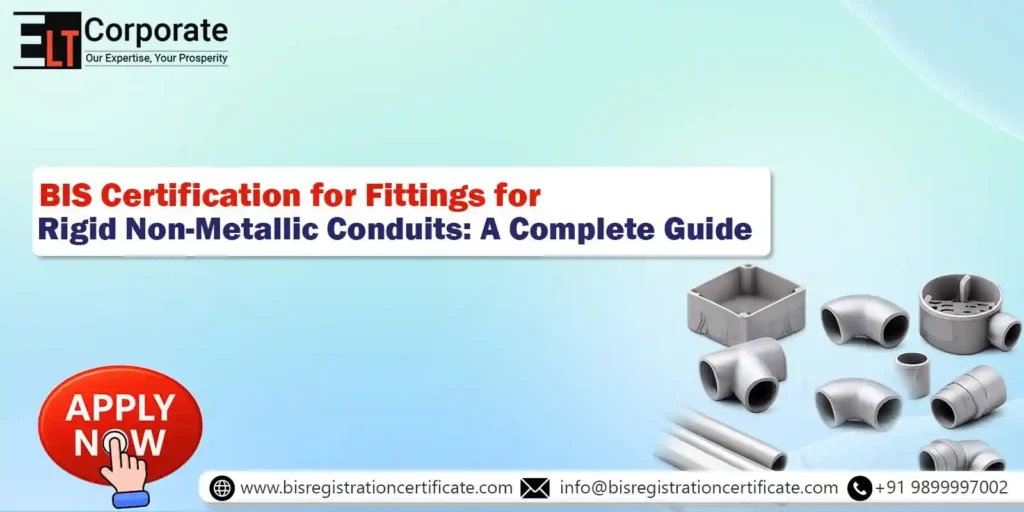
Protection and first class are paramount when it comes to electrical installations. In India, it is important to ensure that electrical components meet exact standards, not only to protect consumers but also best to comply with national policies The most important thing required for electrical components is Bureau of Indian Standards (BIS) certification.
This blog will provide a complete understanding of BIS certification for Fittings for Rigid Non-Metallic Conduits, explaining why it is important, one way to achieve it, and the blessings it brings to producers and customers alike.
What is BIS Certification?
The Bureau of Indian Standards (BIS) is the national standardization framework in India, responsible for ensuring that goods meet unique best standards. BIS certification is a mark of agreeable and exceptional, ensuring that a product has been tested and complies with relevant Indian standards. For manufacturers and importers, having BIS certification of their goods provides credibility, boosts consumer confidence, and is legally required to sell within the Indian market
What Are Fittings for Rigid Non-Metallic Conduits?
Fittings for inflexible non-metallic conduits are the most important components used in electrical installations. These fittings serve to connect and protect electrical cables and wires, including residential, industrial and commercial homes Nonmetallic conduits are usually made of materials like PVC (Polyvinyl Chloride), understood for its flexibility, durability and corrosion resistance
These fittings are available in several types, e.g.
- Angles: Applied to the course of the conduit.
- Couplers: Used to attach two pieces of conduit.
- T-end unions: Used for branching of conduits and for fixed connections.
- End caps: Used to seal the end of the conduit.
These fittings must meet precise standards to ensure they are safe, durable and reliable under electrical load.
Importance of BIS Certification for Fittings for Rigid Non-Metallic Conduits
- Compliance with Indian Standards: BIS certification ensures that fittings comply with applicable IS (Indian Standard) codes. This is important for every producer and customer, as non-compliant products may not meet safety micro standards.
- Product quality assurance: BIS certification assures consumers that the product has gone through rigorous testing and meets satisfactory standards nationwide. This is particularly important in electrical installations, where protection is a primary challenge.
- Legal requirement for market entry: Producers and importers are obliged to sell electrical fittings within the Indian market to obtain BIS certification Without this certification, the products cannot be sold or used legally in electrical installations.
- Consumer Safety: Certified products are more likely to be reliable and perform better over the years. This reduces the danger of disasters that can cause electrical crises, therefore protecting end customers from capacity crises such as electric shock, fire and equipment damage
How to Obtain BIS Certification for Fittings for Rigid Non-Metallic Conduits?
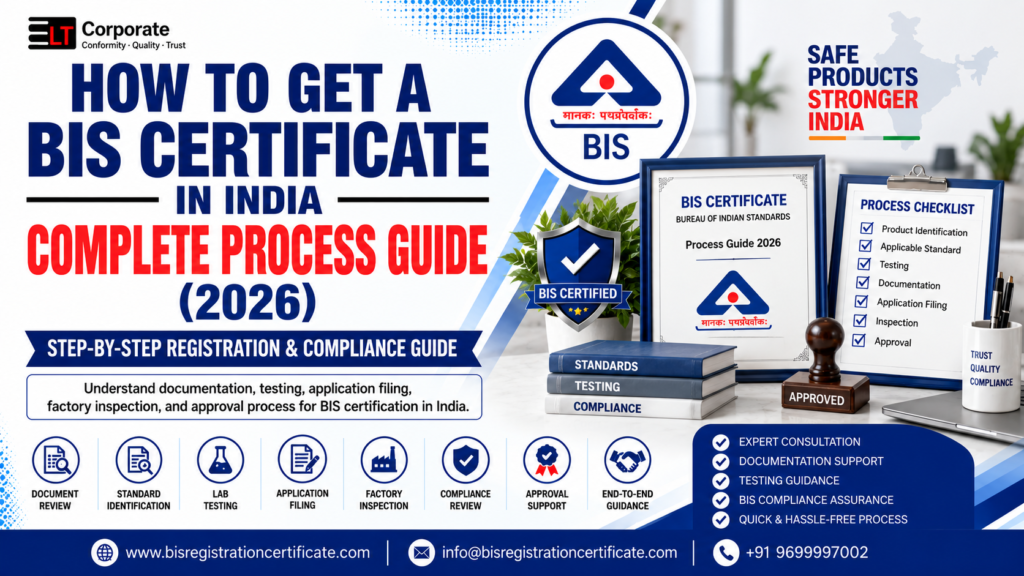
Manufacturers and importers must adhere to a particular methodology to obtain BIS certification for fittings for non-insulated non-metallic conduits. Here is a step-by-step manual:
1. Determine the applicable standard (IS Code) .
The first step is to understand the relevant Indian Standard (IS Code) that the product wants to satisfy. For fittings for rigid non-metallic conduits, the relevant requirements will normally be outlined under IS 3419 or any other standard issued through BIS for electrical fittings
2. Submit an application to BIS
Manufacturers or importers need to publish the utility for BIS certification. The utility should include details about the company, product and manufacturing method. It is important to provide all required technical compliance documentation in line with BIS tips.
3. Product Testing
Once the software is delivered, the product wants to go to a BIS-authorized lab to try it out. These tests will verify that the fitting meets the relevant standards:
- electrical insulation
- Sustainability
- impact resistance
- Fire resistance (for some cargo)
The testing method may additionally depend on the type of fitting and materials used.
4. Factory inspection
The BIS can conduct factory inspections to ensure that the production process complies with the required exceptional standards. This inspection involves checking equipment, tactics, and manufacturing line conditions to confirm that they comply with standards.
5. Approval and issuance of certification
Once the product is trying and passing manufacturing facility inspection, the BIS will cause difficulties in certification. The producer will be given the appropriate to apply the BIS mark on his products, indicating that the product conforms to the Indian protection and exceptional requirements.
6. Compliance Monitoring and Renewal
BIS certification is not permanent. The product and manufacturing process are subject to periodic monitoring, and manufacturers must apply for certification renewal every few years. Additionally, regular inspections and testing may be conducted to ensure continued compliance with standards.
Benefits of BIS Certification for Fittings for Rigid Non-Metallic Conduits
- Increased market credibility: Products with BIS certification are depended on by buyers and industry professionals. It adds a layer of credibility, helps producers attract customers, and gains an aggressive edge within the marketplace.
- Legal and Regulatory Compliance: BIS certification guarantees that the product complies with Indian laws and regulations. This prevents capacity legal issues and enables manufacturers to avoid consequences or recalls.
- Better market access: Many large construction projects and government contracts require a BIS license for goods. By obtaining certification, manufacturers can gain access to a much wider range of possibilities each in India and around the world.
- Enhanced product safety: By adhering to daily quality checks and protection standards, BIS-licensed fittings are much less likely to argue electrical failures, which in turn increases the protection of electrical installations.
- Consumer confidence: As consumers become more familiar with the importance of product safety, the BIS mark acts as a clear indicator of agreeable quality and this enables the customer to gain confidence and increase sales.
Conclusion
In conclusion, BIS certification for fittings for rigid non-metallic conduits plays a vital role in ensuring the safety, quality, and compliance of electrical products in India. For manufacturers and importers, obtaining this certification is not just a regulatory requirement but also a key factor in enhancing brand reputation and gaining consumer trust.
By following the BIS certification process and complying with the relevant standards, manufacturers can ensure that their products meet the highest safety and quality standards, ultimately contributing to a safer and more reliable electrical infrastructure in India.
For businesses seeking to navigate the BIS certification process smoothly, it’s advisable to consult with experts in regulatory compliance who can provide guidance throughout the certification journey.
BIS certification ensures that electrical fittings meet Indian safety and quality standards, making them safe for use in electrical installations.
Manufacturers must submit an application, undergo product testing, and pass a factory inspection to receive BIS certification for their fittings.
Yes, BIS certification is required to legally sell fittings for rigid non-metallic conduits in the Indian market, ensuring compliance with national safety standards.