India is one of the fastest growing markets for beautifully licensed products. BIS FMCS registration is generally a mandatory compliance requirement for foreign manufacturers planning to sell products in India.
FMCS stands for Foreign Manufacturer Certification Scheme. It is conducted using the Bureau of Indian Standards (BIS) for manufacturers located outside India. Under this scheme, BIS issues licenses to foreign producers for use of standard mark / ISI mark on goods following relevant Indian standards.
For many products, import and sale in India without BIS approval can be additionally difficult or legally binding.
What is BIS FMCS?
BIS FMCS is a certification scheme introduced by the Bureau of Indian Standards that enables foreign manufacturers to obtain a license to use the ISI mark on products covered under mandatory BIS certification.
In simple terms, if your product falls under a mandatory BIS Quality Control Order (QCO), you cannot sell it in India without FMCS approval.
Who Needs BIS FMCS Registration?
BIS FMCS registration is required if:
- You are a foreign manufacturer
- Your product is listed under mandatory BIS certification
- You intend to export and sell products in India
- Your product requires the ISI mark
Common Product Categories Under FMCS
- Electrical appliances
- Steel and construction materials
- Chemicals
- Automotive components
- Household products
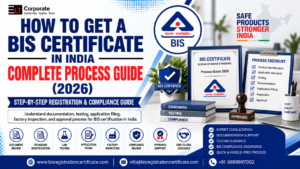
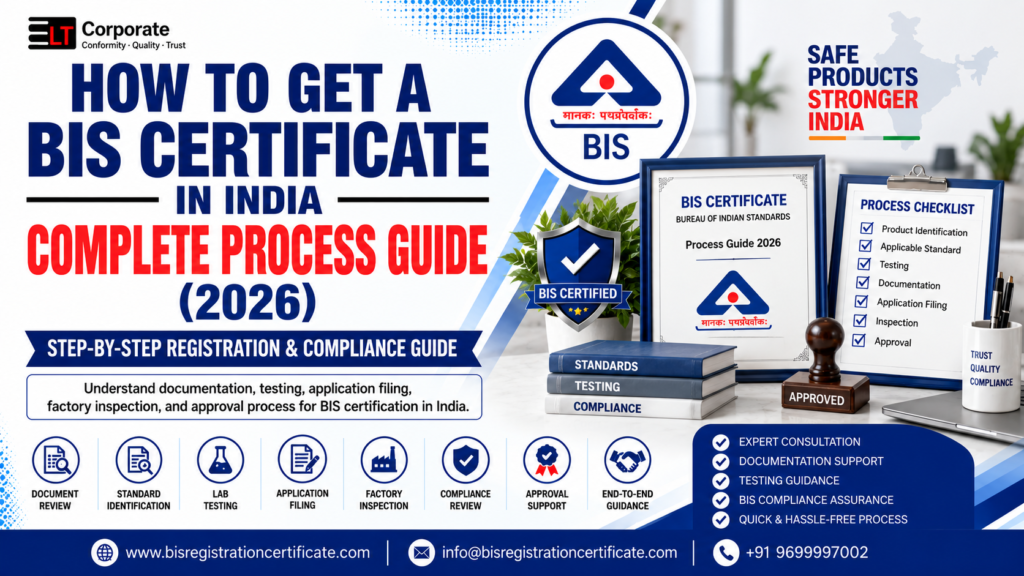
BIS FMCS Registration Process
1. Identify the applicable standard
Determine the applicable Indian standard (IS code) for your product and ensure that it meets all technical and safety requirements.
2. Appointment of Authorized Indian Representative (AIR)
Foreign manufacturers should hire an authorized Indian representative who works because the local compliance partner in India.
3. Preparation of documentation
Prepare all technical documentation, micro-booklets and compliance reports in accordance with BIS requirements.
Four. Application Request
Submit the application with the desired fees and supporting documents to the BIS.
five. factory inspection
BIS officials deal with the inspection in the foreign production unit to verify:
The manufacturing process
Manipulation of quality structures
Testing centers
6. Sample testing
The product samples are tested in BIS-approved laboratories in accordance with the applicable Indian Standard.
7. Grant of license
Once compliance is demonstrated, BIS grants an FMCS license, permitting the use of the ISI mark on products.
Documents Required for BIS FMCS
Company Documents
- Business registration certificate
- Factory address proof
- Organizational structure
Technical Documents
- Product specifications
- Manufacturing process flowchart
- Quality control manual
- Calibration certificates
Testing Documents
- In-house test reports
- Third-party lab reports (if available)
Compliance Documents
- ISO certification (commonly ISO 9001)
- List of machinery and equipment
AIR Documents
- Authorization letter
- AIR agreement
- Identity and address proof
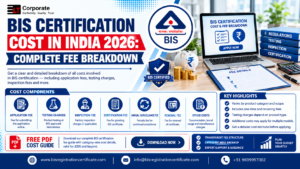
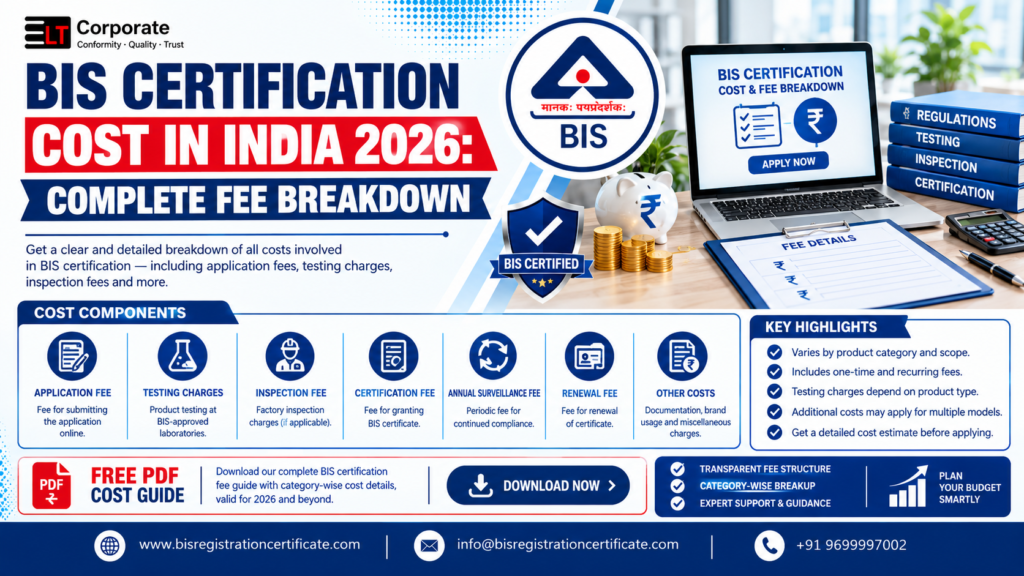
BIS FMCS Registration Cost
The cost depends on product type, location of the factory, and testing requirements.
Estimated Cost Breakdown
| Component | Approximate Cost |
|---|---|
| Application Fee | ₹1,000 |
| Processing Fee | ₹50,000 |
| Inspection Charges | ₹7–10 lakh |
| Testing Charges | ₹50,000 – ₹2 lakh |
| Annual License Fee | ₹1–2 lakh |
Total estimated cost typically ranges between ₹8 lakh to ₹15 lakh or more.
Inspection costs are usually the highest due to international travel and audit expenses.
Timeline for BIS FMCS Approval
| Stage | Estimated Time |
|---|---|
| Documentation Preparation | 2–4 weeks |
| Application Processing | 2–3 weeks |
| Factory Inspection | 4–6 weeks |
| Sample Testing | 2–4 weeks |
| License Grant | 2–3 weeks |
The total timeline is generally between 3 to 6 months, depending on compliance readiness and response time.
Common Challenges in FMCS Registration
Applications are often delayed or rejected due to:
- Incorrect identification of Indian Standards
- Weak quality control systems
- Incomplete documentation
- Failure in product testing
- Lack of preparation for factory inspection
Practical Tips for Faster Approval
- Conduct a pre-inspection audit
- Align manufacturing processes with Indian Standards
- Ensure all testing equipment is calibrated
- Work with experienced compliance professionals
- Maintain clear coordination with the Authorized Indian Representative
FMCS vs CRS – Key Differences
| FMCS | CRS | |
|---|---|---|
| Applicability | Foreign manufacturers | Electronics and IT products |
| Certification Type | ISI Mark | Self-declaration |
| Inspection | Mandatory | Not required |
| Testing | Mandatory | Mandatory |
| Complexity | High | Moderate |
Validity and Renewal
Initial license validity is one year
It can be renewed for up to five years
Renewal requires:
- Payment of annual fees
- Continued compliance
- Periodic surveillance
Conclusion
BIS FMCS registration is a critical requirement for foreign manufacturers aiming to enter the Indian market. It ensures compliance with Indian safety and quality standards and allows the legal use of the ISI mark.
Although the process involves multiple steps and significant cost, proper planning and structured documentation can help achieve faster approvals and avoid regulatory setbacks.
What is FMCS BIS Registration?
Is FMCS mandatory for imports in India?
Who can apply for FMCS BIS Registration?